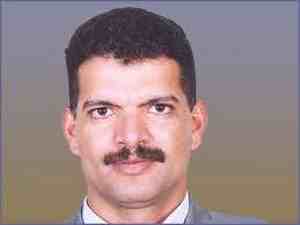
بقلم: د. زهير الخويلدي
هذه التساؤلات هي مضمون المحاورة الفلسفية مع الكاتب الفلسفي وهي مشاكسات معمقة يمكن أن تلخص مسيرة سنة ميدانية عملية من النضال الفكري والمكابدة المهنية
كيف يأتي المرء إلى الفلسفة؟
الفلسفة بحث عن الحقيقة يسترشد بمساءلة العالم والمعرفة والوجود البشري. لقد وجدت منذ العصور القديمة في الغرب والشرق، من خلال شخصية الفيلسوف، ليس فقط كنشاط عقلاني ولكن أيضًا كطريقة حياة. يمكنه أن يكون فيلسوفا الشخص الذي يدرس الطبيعة بعقلانية؛ الشخص الذي يبحث عن الحقيقة وينمي الحكمة. والا يكون مجرد حكيم متعلم. إذن، الفيلسوف الحقيقي هو شخص أمين يتصرف في كل شيء بالعقل، وينضم إلى روح التأمل والدقة والأخلاق والصفات الاجتماعية. يقوم الفيلسوف بالبحث والتأمل في الوجود والعلاقات الإنسانية فيما يتعلق بأسس وأغراض ومعنى الحياة والأحداث ولا يكتفي فقط بنقل ثمار أفكاره من خلال المؤتمرات والدورات والمقابلات والمنشورات بل يعيش فلسفته ويفلسف حياته. بالتأكيد، إذا كان بإمكان الجميع التفلسف، فليس كل خطاب وكل نشاط فكري هو فلسفة. هناك، على سبيل المثال، خطابات رأي. ولكن، عند الاستخدام، فإن الخطر ليس كبيرًا جدًا بالنسبة للفلسفة التي، على أي حال، تعرف جيدًا كيفية التعرف على الرأي وفهمه. لا يتحقق العيش في الفلسفة الا عندما يُمنح الكائن الحي درجة معينة من الاستقلالية داخل بيئة محيطة ويحتاج فقط إلى نفسه للحفاظ على نفسه على هذا النحو. وهكذا يعرّف أرسطو، في أطروحته بعنوان “في النفس”، الحياة على أنها “القدرة على الإطعام والنمو والهدر من تلقاء نفسها”. لا يكون الانسان فيلسوفا الا عندما يُفهم على أنه ذاتية تفكر، لديه القدرة على فهم نفسه بشكل تفكيري، والابتعاد عن نفسه لفهم نفسه كأحد موضوعاته، وبالتالي إدخال موضوع الوعي في الفلسفة. لذلك فإن معني الفيلسوف هو أن يكون متخصصا في الفلسفة وأن يكون الشخص الذي يطور عقيدة فلسفية ويوقع مفاهيم ويشتغل على مشاكل ويصنع بنفسه منهجه ورؤيته ويبدي جملة من المواقف المستنيرة. فإذا اردت أن تكون فيلسوفا جيدا عليك أن تدرك جهلك وتبدأ مثل سقراط بالقول: “كل ما أعرفه هو أنني لا أعرف شيئًا” ومثل آلان الذي ربط التفكير بالرفض فيجب أن نتجه نحو خطاب حقيقي حول العالم وعلى أنفسنا. توجد في الفلسفة رغبة في قول الحقيقة، على الأقل في الاقتراب منها. سيعلمك الفيلسوف أن تكون أكثر صرامة وألا تأخذ ما تعتقد أنك تعرفه وهذا أمر أساسي في الجدل أمرا مفروغا منه. لا يمكنك أن تكون ذا مصداقية عندما تطرح فكرة مسبقة دون أن تكون قادرًا على تبريرها ودون فهم أسسها. فما يمكن أن تجلبه لنا الفلسفة ليس معرفة الحقيقة فقط. مما يعني أنها ليست فقط نقديًة ولا فقط معرفة بتاريخها الخاص (والذي، على هذا النحو، يجعلها ثقافة فقط)، ولكنها على الرغم من ذلك تؤدى الى الانعتاق من الرتابة وقدرة على التغيير وتجلب هذه الفائدة التي تتمثل في فهم الأشياء والعالم.
هل تساعد الفلسفة على تخليص العالم من الشرور المتراكمة فيه؟
الفلسفة بعيدة كل البعد عن التمثيلات المنسوبة إليها اليوم. فهي لا تسمح لك فقط بالتفكير بشكل أفضل من خلال تطوير روحك النقدية، ولكن أيضًا للعيش بشكل أفضل من خلال جعل التفكير أصلًا لا يضاهى للمضي قدمًا وبناء نفسك. كما تشكل الفلسفة الإطار الذي يمكن للإنسان من خلاله فهم العالم والتصرف في حياته الخاصة. إنها توفر الأدوات التي يمكن من خلالها اكتشاف الحقيقة واستخدام العقل لتحسين الحياة.
العلم يحل محل الفلسفة بشكل تدريجي. على سبيل المثال، احتوت الفلسفة القديمة على الفيزياء (معرفة الطبيعة). مع ظهور الفيزياء العلمية، فإن معرفة الطبيعة تهرب من المجال الفلسفي. بمجرد أن يصبح المجال موضوعًا للعلم، فإنه يفلت من الفلسفة. من فوائد الفلسفة انها ستكون أداة تسمح بفهم العالم من وتقديم مزيد من الإدراك المتأني والتفكير النقدي والفضول. دور الفلسفة في المجتمع كبير وحاسم اذ كان لتطور الأفكار الفلسفية في التاريخ وما زال له أهمية كبيرة، سواء بشكل مباشر أو غير مباشر – لمؤسسة الديمقراطية، ولتعزيز حقوق الإنسان وحماية السلام. وفقًا للأفلاطونية، فإن معنى الحياة هو الحصول على أعلى شكل من المعرفة، فكرة الخير – الفكرة التي تستمد منها كل الأشياء الجيدة والمفيدة. الفلسفة في متناول الجميع لأنها جزء لا مفر منه من حياتنا. لذلك لن تكون، كما يفترض البعض، متاحًة فقط لأقلية مثقفة مزعومة. كما تلعب الفلسفة دورًا مركزيًا في التعليم. يجب أن تمكّن دراسة هذا الموضوع الطلاب من إجراء مناقشات متعمقة للأفكار، وتشجيعهم على الانفتاح الذهني، وتطوير مهارات الاتصال والتفكير
ان النقد الذي يمكن أن نوجهه للفلسفة هو في مستوى علاقتها بالواقع الاجتماعي والشرور التي تغطيها وان نقد المعرفة أمر لا غنى عنه للفلسفة. خاصةً منذ كانط، أصبح الناس مقتنعين بأن الميتافيزيقيا وحتى المعرفة بشكل عام ممكنة فقط – من الناحية الفلسفية – مع هذه المقدمة العامة لجميع الأبحاث الخاصة. من هذا المنطلق لا يستطيع الإنسان أن يعيش دون فلسفة ولذلك يجب أن يتفلسف في حياته أكثر من مرة. فلا يمكننا الحياة دون الفلسفة، سواء من وجهة نظر أخلاقية معنوية أو شخصية نفسية، ومن وجهة نظر اجتماعية وسياسية أو طبية وصحية. لكن يجب أن نفهم أنه لا يمكن للمرء أن يتفلسف في الفراغ والعدم.
هناك مخاطر من الفلسفة وهكذا ولد الاستبداد من العقلانية والاستعمار من التنوير وكانت عواقبهما كارثية. هناك خطر كبير آخر للتفكير الفلسفي (ربما الأول والوحيد) يتمثل في دفع أتباعه إلى حقائق مكتسبة وعدم البحث باستمرار عن الحقائق التي ستستمر في بناء حياته السعيدة. الجوانب السلبية للفلسفة هي تدمير الدوغمائية والادعاءات الخاطئة عن الفطرة السليمة وتخليصنا من تعجرف أولئك الذين لم يعبروا أبدًا مناطق تحرير الشك، وينشطوا إحساسنا بالدهشة من خلال إظهارنا غرباء أكثر من علماء. للوصول إلى الحرية، يجب على الإنسان أن يقرر نفسه للتصرف والتفكير. لهذا، يجب عليه أن يطبق عقله، ويقرر ما هو جيد ومفيد. عندما يحدد عقله عمله، يتم تقليل الاستسلام للأهواء ويتضاءل التعصب. لقد قال كاليكليس لسقراط: “الفلسفة خطيرة لأنها تنحرف عن المهام الدنيوية”. هذا الرأي في مواجهة الفلسفة هو وصمة عار للفلسفة عندما تميل إلى الخلط بينها وبين مجرد تخمين بينما مشاكل الحياة تتطلب حلولاً عملية ودقيقة.
الي اي حد حدث تطور في الفلسفة في الحقبة المعاصرة؟ وما طبيعته ووجهته؟
اليوم، حيث يشكل العلم كل معارفنا وتقنياتنا بكل قوتنا، تظهر الفلسفة كنظام فكري من المعرفة العلمية، يتم الكشف عن الهدف الفلسفي باعتباره تفكيرًا نقديًا لأسس هذه المعرفة. التأمل نوع من التذكر، التفكير الفلسفي يهدف إلى جعل الذات تفهم كلماتها وإيماءاتها حتى تتواصل من خلال الحوار مع ما حللته وفهمته. عادةً ما يتوافق عمل الفيلسوف اليوم مع عمل خبير استشاري لديه مهارات متخصصة في مواضيع محددة والذي يأتي صانعو القرار لتجنيدهم في مهام تتطلب خبرة فنية للغاية. “معركة الفلسفة” التي أطلقها المكان المخصص لها في مشروع الإصلاح هي تنفيذ برنامج تغيير جذري للمجتمع وتأسيس عالم انساني مغاير و لا تزال الفلسفة تتمتع بميزة أكبر، وقيمة أعلى. فهي لا تتنفس هواء الحرية الفكرية والأخلاقية فحسب، بل إنها تتمتع أيضًا بميزة توسيع مصالح الذات إلى هذا البعد الذي يفقدون فيه كل التناسق. وفقًا لماركس، يجب أن تكون الفلسفة النظرية عملية في الأساس. لا تنفصل الفلسفة عن التحول الجذري للمجتمع، وبالتالي تساهم، وتحويلها إلى ممارسات، إلى طاقة بشرية واجتماعية عملية: يجب أن تجعل الفلسفة القفزة في عهد الحرية ممكنة. في الماركسية، لا يمكن فصل الجانب العلاجي لنقد الفلسفة والدين والسياسة عن محاولة إشراك الفاعلين الفلسفيين في المجال المتخصص للاقتصاد السياسي، مع تبرير هذا التدخل لوجهة نظر معرفية. النقد الأكثر تكرارًا للمجتمع هو في الواقع أنه يهيئنا ويريد أن يجعلنا جميعًا متطابقين. يجعلنا خراف. يزرع المجتمع روح القطيع في كل شخص من خلال تبني نفس القيم ونفس الآراء. من الواضح أن المجتمع يدعو إلى الامتثال. في الواقع الراهن لا يفصلنا التأمل الفلسفي عن العالم: فظهور التأمل مرتبط بالعائق العملي والصعوبة النظرية. إن الوجود في حالة توازن في البيئة التي يحدث فيها هو وجود بدون مشاكل. ينبغي تحويل الشر الى سؤال فلسفي من اجل معرفة المكان الذي يوجد فيه أصل الشر، بين المؤمنين، في النقص العام للإنسان، أو الشر “الميتافيزيقي”. في الدين ضمن حدود العقل، ميز كانط بين الشر (فعل الشر بطريق الخطأ) والخبث الشيطاني (فعل الشر من أجل الشر). لذلك تتطور الفلسفة كتأمل نقدي ، ويُطلب من التفكير النقدي تنمية قدرته على تطوير تفكير عقلاني متعمق وهيكل المفاهيم اللازمة لتنمية الفكر المستقل والتخلص من الشرور وتعزيز الواجب وتحمل المسؤولية في العالم.
أن تكون فيلسوفًا، ولكي تكون حكيماً، إذا كان الامر كما هو الحال، أن تتحد في الروح مع كل الطبيعة، فإن ذلك يتألف من الانغماس في زخم القوة اللانهائية التي، بحكم التعريف، تتجاوز أي عملية محدودة للعقل المحدود: تمر فيه دون توقف. هذا الانغماس، ليس أكثر مما يبدأ، لا ينتهي أبدًا. الفيلسوف، حتى لو افترض هذا تصرفًا معينًا في الذهن، لا يمكن للمرء أن يكون واحدًا إلا إذا سمحت الظروف بتنمية هذه الأهلية؛ والنتيجة هي أننا لا نتوقف أبدًا عن أن نكون واحدًا، ليس وحدنا في ركننا ولكن مع الآخرين، مع كل الآخرين، مع كل الطبيعة التي هي في النهاية، مع القيمتين الذاتية والموضوعية. الفلسفة، وعلى هذا النحو، تشكل العقل الحقيقي أو السبب، نسبة العقل وراء ذلك، للصيرورة الفلسفية المتأصلة فيها.
لذلك لم يختار الفيلسوف الدعوة التي ينميها في حد ذاته ولا أسلوب الوجود الذي لا مثيل له المرتبط به: إذا فعل ذلك، إذا كان يتصرف كما يفعل، فذلك لأنه تم اختياره، أو تسميته، أو هو القول لأن ترتيب الطبيعة والتسلسل المعقد لقراراتها قد قررا ذلك من خلال الجمع بين الشروط لتكون كذلك. لكنه كان سيخدع نفسه بشكل خطير إذا تخيل أن هذا الاختيار يفصله بشكل نهائي عن البشر الآخرين ويضفي عليه موقعًا يقدّره أن يكون، بصفته صاحب الحكمة الحصري في مملكته. لأنه، في المطلق، ليس الوحيد الذي يضطر إلى الاستجابة لنداء فردي: أي طريقة للوجود، مهما كان شكلها، هي نتيجة الاختيار؛ في ترتيب الطبيعة المحدد سلفًا، لا يوجد سوى المختارين، الذين لا يصرح لهم أي شيء بالتنافس مع بعضهم البعض. في الأساس، لا يوجد شيء عالمي سوى النشر الفردي، أو بالأحرى النشر اللامحدود لأرقام لا حصر لها من التفرد، كل منها يمثل توازنًا أصليًا بين النشاط والسلبية، بين المعرفة والجهل.
لماذا ظلت الفلسفة عندنا رهينة المحبسين ومذعورة من عيون الفقهاء وسلطة السياسة؟
أعداء الفلسفة هم الساسة والحراس والخبراء والمحاسبون والتجار. لاستحضار أولئك الذين يعارضون الفلاسفة، نستخدم تقليديًا تعبيرات ليست مترادفة تمامًا: مناهضة الفلسفة، مناهضة التنوير ورفض الحداثة. يتهم المتشددون المتحمسون، المناهضون للفلاسفة، خصومهم باحتكارهم لواجهة المشهد الثقافي والعلمي.
من المعلوم الدين هو الوعي المقلوب للعالم حسب ماركس والعالم الإنساني يوجد في وضع معكوس ويعاني من الاغتراب. هذا المجتمع ينتج الدين، وعيًا مقلوبًا للعالم، لأنه هو نفسه عالم مقلوب ووهمي. تنتقد الفلسفة الدين نتيجة هذا الاغتراب وإن انتقاد الدين يخدع الإنسان حتى يفكر ويتصرف ويشكل واقعه مثل شخص كان خائب الأمل، ووصل إلى رشده، حتى ينجذب حول نفسه وبالتالي حول شمسه الحقيقية. في نقده لفلسفة الحق عند هيجل، كتب ماركس أن الدين يجعل من الممكن تبرير عدم المساواة الاجتماعية، ويسمح للبروليتاريا بدعمها بشكل أفضل. لقد استنتج ماركس أن الدين هو “أفيون الشعب”، أي نوع من الاوخام ، جنة مصطنعة تمنع الفرد من التحول إلى ناقد لأولئك المسؤولين حقًا عن الظلم الاجتماعي.
الفلسفة هي أيضًا تشكيك في نفسها، بحيث لا يكتفي كل من يريد أن يتفلسف في الدين باعتماد الدين كموضوع له، ولكنه أيضًا يسأل نفسه عما يمكّنه من معرفة أن هناك ديانات، أو أن مثل هذا يمكن القول أن الظاهرة الاجتماعية دينية بالضرورة. الفرق بين الدين والفلسفة هو أن هذا البعد من الإيمان، في اللاهوت على الأقل، معترف به وانعكاساته صريحة، في حين أن الفلسفة تريد عن طيب خاطر أن تجعل الناس يعتقدون أنها مبنية على الحجج العقلانية فقط. تظل أفضل طريقة للإجابة عليه، مع ذلك، يمكن الإشارة إلى كل هؤلاء الفلاسفة الذين أرادوا إثبات وجود الله بعقلانية: لايبنيز، ديكارت، سبينوزا، القديسين أنسيلم والقديس توما الكويني والقديس اوغسطين. لقد دفع هؤلاء بفكرة الله إلى صفاته، من خلال جعل انحصار دور الفيلسوف في الاعتناء بالذات والتنظيم السياسي للمدينة. يوجد قاسم مشترك بين الفلسفة والدين ومع ذلك، فإن هذين الخطابين يشتركان في شيء واحد: أن يكون المرء قائماً على أساس البشر وأصولهم وخصائصهم، مما يشجع بعض الناس على الجمع بينهما على الرغم من اختلافاتهما العديدة.
اي قيمة للفلسفة في ظل الثورة الرقمية والتقدم العلمي والذكاء الاصطناعي؟
لماذا نقول إن الفلسفة عديمة الفائدة؟ وإنها غير مجدية لأنها لا تقدم خيارًا عمليًا، ولا خيارًا معينًا خارج نفسها. إنها لا تعطي معنى معينًا، إنها اتجاه معين للفكر. لذلك، الفلسفة ليست كل شيء. إنها لا تسمح لنا بالعيش بشكل علمي، ولا تسمح لنا بالبقاء على قيد الحياة بشكل تقني وبصورة رقمية واصطناعية. يحدد الذكاء عمومًا إمكانات القدرات العقلية والمعرفية للفرد أو الحيوان أو الإنسان، مما يسمح له بحل مشكلة أو التكيف مع بيئته. غالبًا ما يتلخص في الوصول إلى الدماغ. الذكاء الاصطناعي هو تخصص عمره أكثر نصف قرن، وهو عبارة عن مجموعة من العلوم والنظريات والتقنيات (بما في ذلك المنطق الرياضي والإحصاء والاحتمالات وعلم الأعصاب الحسابي وعلوم الكمبيوتر) والتي تهدف إلى محاكاة القدرات المعرفية للإنسان. سيمكن الذكاء الاصطناعي أيضًا من تقليل الحوادث بشكل كبير وبالتالي يقلل عدد ضحايا. سيساعدنا أيضًا على الاستجابة بشكل أفضل للكوارث أو المواقف الخطرة التي تعرض الناس للخطر ويحرص على تحسين البيئة الصحية والطبية ويستمر في التطور سواء في القطاع الصحي، أو في البراعة التقنية للطب، فإن الذكاء الاصطناعي يجعل من الممكن بالفعل تحسين أداء التشخيص في الوقت الفعلي تقريبًا. كما أن الانفجار في حجم البيانات التي تولدها البشرية عبر الشبكات الاجتماعية أو إنترنت الأشياء، فضلاً عن انخفاض التكلفة وزيادة قوة الكمبيوتر هما بالتالي عاملان رئيسيان في صعود الذكاء الاصطناعي. في بعض المناطق، سيكون الذكاء الاصطناعي قادرًا على فعل الأشياء بشكل أفضل من البشر. على سبيل المثال، مسح ماسح ضوئي أو قيادة سيارة أو شاحنة. كما يتدخل في بناء القدرات البشرية، لأننا سنفعل الأشياء بشكل أفضل. التطورات في الذكاء الاصطناعي تكمن في أن ألعاب الألغاز والتشخيصات الطبية والمساعدين الصوتيين والسيارات ذاتية القيادة وتحليل البيانات والكتابة التلقائية … بفضل الشبكات العصبية والتعلم العميق، حقق الذكاء الاصطناعي تقدمًا مذهلاً في السنوات الأخيرة وعالج عدة مشاكل. ان تأثيرات الذكاء الاصطناعي على المجتمع البشري تتمثل في أنه يمكن أن يحقق فوائد اقتصادية كبيرة: عبر الصناعات، تقدم تقنيات الذكاء الاصطناعي وعدًا بزيادة الإنتاجية وإنشاء منتجات وخدمات جديدة. تثير هذه الإمكانية أسئلة حول تأثير الذكاء الاصطناعي على التكوين والتدريب والتوظيف والحياة العملية. أتاح التطور السريع لتقنيات الذكاء الاصطناعي تطبيقه العملي في العديد من مجالات النشاط البشري. أدى التقدم فيه إلى زيادة كبيرة في مستوى أتمتة العمليات التجارية وتنظيمها. بالإضافة إلى الدعم الفكري، أصبح الذكاء الاصطناعي الآن قادرًا على تقديم مساعدة قيمة من حيث السعة والسرعة. الكمبيوتر قادر على تخزين المزيد من المعلومات وتحليلها بشكل أسرع بكثير من الإنسان. على عكس الدماغ البشري، لا يمكن تحسين الذكاء الاصطناعي بالخبرة. مع مرور الوقت، يمكن أن يؤدي ذلك إلى التآكل. إنه يخزن الكثير من البيانات، لكن الطريقة التي يمكن الوصول إليها واستخدامها مختلفة تمامًا عن الذكاء البشري. في هذا السياق يحافظ العقل الفلسفي على دوره الطليعي. بطبيعة الحال توجد تأثيرات سلبية من طرف التقنيات الجديدة على الذاكرة والانتباه ومخاطر ضارة على العقل البشري وعلى التواصل بين الذوات والعالم لكن بدلاً من استنكار “فقدان” الذاكرة وخطر تشتت الفكر الناجم عن التكنولوجيا الرقمية، من الأفضل محاولة إعادة بناء فلسفة وسياسة اهتمام تستند إلى هذه الأدوات الجديدة، والتي تأخذ في الاعتبار أبعادها السامة المحتملة ولكن أيضا بناء علاج لهذه التقنيات.
متى تتحرر الفلسفة من الأدب والفنون والأشكال التعبيرية وتصير لغة مفاهيم وقضايا وحديقة افكار وتجارب؟
الفرق بين الأدب والفلسفة يتمثل في أن الفلسفة إدراك مفهومي بينما الأدب إدراك حسي، سواء كان رائعًا أو واقعيًا. يزاوج الفكر الأدبي بين العقل والخيال والأفكار والصور بينما يرفع الفلاسفة العتبة نحو الفكر. غالبًا ما يُناقش الفصل بين الفلسفة والأدب. ومع ذلك، فإن التجريد ليس الطريقة الوحيدة في التفكير. اذ يمكننا التفلسف مع الأدب ويمكن مقاربة الاعمال الدبية مقاربة فلسفية وبالتالي، فإن العلاقة بين الفن والفلسفة غنية ومتنوعة ومفتوحة: يمكن أن تستند إلى قدرة الفنان الخاصة على الإعلان من خلال وسائل التعبير الخاصة به (الرسم، والقصائد، وما إلى ذلك) عما سيعبر عنه الفيلسوف بالوسائل المفاهيمية (الأفكار العقلانية والجديدة والمنظمة). كما يمكن النظر إلى العلاقة بين الفلسفة والأدب من خلال منظور العلاقات التي توحد الخيال الأخلاقي والخيال أو حتى من زاوية الأهمية الأخلاقية للأدب، الناشئة عن التجربة الحرة لأساليب العيش. من هذا المنطلق الفلسفة ليست فقط فن التأمل، كما أن الأدب ليس فنًا للتعبير فقط. الانعكاس والتعبير، هذان هما البعدان اللذان يضمنان العلاقة الوثيقة بين الفلسفة والادب. أما مسألة معرفة دور الفن في الفلسفة فهي تطرح ضمن فلسفة الفن وكذلك في إطار علم الجمال من حيث هو أحد الفروع التقليدية للفلسفة. يمكننا تعريف فلسفة الفن، أو الجماليات، على أنها هذا التخصص الذي يسعى للإجابة على السؤال: ما هو الجمال؟، أو ما هو العمل الفني؟ إذن من يسعى إلى التفكير في ظاهرة الفن. الفرق بينهما يظهر في اعتبار الفلسفة والفنون مجالين يتعارضان إلى حد كبير مع حقيقة أن جوهر الفنون هو خلق “شيء من الجمال” وأن روح “الفنان” هي روح فردية. بينما الفلاسفة في بحث مستمر عن الحقيقة فيما يلامس الكون. علم الجمال (أو فلسفة الفن) هو تخصص في الفلسفة له مدركات موضوعية، الحواس، الجمال (في الطبيعة أو الفن)، أو حصريًا ما يتعلق بمفهوم الفن. على هذا المنظور يصعب على الفلسفة الاستغناء عن الادب والفن والجماليات والسرد والاكتفاء بالقضايا والمفاهيم والأفكار فحسب.
ألا يعطل المجهود الأكاديمي الفيلسوف عن الكتابة ويمنع المنتج الإبداعي من التفجر؟
يوجد اختلاف بين الحضور العادي في العالم والتدريب الفلسفي اليومي على التوجه نحو الحقيقة وطلب المعنى ويبرز التحدي في مستوى تحقيق التكامل المعرفي وبلورة التحقيق المفاهيمي بشكل دقيق وصارم.
يبدو الانشغال بالعمل الأكاديمي في الظاهر مانعا للتقدم ومهلكا للطاقة والوقت والمجهود بالنسبة للمشتغل بالتدريب على التفكير والملتزم بمنهجية الدرس الفلسفي ولكنه في العمق مراكمة للتجربة وحافز على التقدم في التجريب الفكري وعامل مساعد على التطوير البيداغوجي والابداع العلمي والابتكار الدلالي.
بيد أن أشد معضلة بالنسبة للعامل في الفلسفة هي التعبير عن الذات الباحثة وفق منظورات وسياقات شتى.
أليست الحياة الفكرية للفلاسفة هي الحياة الروحية لمجتمعاتهم؟
لم يكن المقصود من الفكر الفلسفي تجاوز “الأشكال الدنيا للتواصل” فقط. يبدو أنه ليس مجرد حق، بل واجب على كل شخص أن يترك شيئًا لكائن آخر، مهمة للفرد “لإثراء الحياة بشكل خلاق”. هنا، فإن تأسيس الشخصية كأساس لكل شيء يفترض قبل كل شيء اكتشاف الفردية في حريتها لتأكيد جهودها نحو العالمية. هنا يكمن هدف الفلسفة “ليس في إنشاء نسق، ولكن كفعل من أعمال الإدراك الإبداعي في العالم.
جهد التفكير الفلسفي، الذي دفع باستمرار خلال القرن العشرين لتوجيه نفسه نحو أصالة الحياة للإنسان في العالم، أعطى حتما طابعًا إشكاليًا لظاهرة التأمل نفسها.. عندما يكتشف الفكر لنفسه إمكانية توسع الوعي بنفس وتيرة الحياة وعندما تظهر نظرية المعرفة ونظرية الحياة على أنهما لا ينفصلان، فإن الدافع وراء عدم الرضا العميق عما يسمى “المنطق” يمكن أن تنمو فقط. من السهل ملاحظة أن الصراع قد تجاوز بكثير إطار نظرية المعرفة، ليخترق مجال أنطولوجيا الفكر. لا يحدث التمزق بين القدرات المعرفية المختلفة من حيث بعض الأصداء التي تم تجاوزها بالفعل على التلوثات التافهة من خلال “فراغ العقل” و “عمى التجربة”، ولكنها تحدث داخل الفكر نفسه، في فعل إنجازه. غالبًا ما استوعب التفكير الفلسفي هذا الانقسام، في محاولة لإيجاد تسوية مؤقتة بين الذكاء “المنطقي” و “الإبداعي”، حيث رأى فيه فرصة للوفرة الحيوية للفكر. قد نلاحظ أيضًا أنه “كعلم، لم تزدهر الفلسفة بعد”، ولكن لذلك يجب أن نبذل المزيد من الجهود الحماسية لتحويل تفكيرنا إلى “الوضوح الحاسم، شروط العلم الدقيق، التي نسيتها الفلسفة التاريخية السابقة أو أسيء فهمها بسذاجة”. فما هي هذه الشروط من وجهة نظر الفلسفة المستقبلية؟
متى نحصل على إبداع فكري خالص ونسق فلسفي مستقل؟
خصائص المبدع هي قدرة على التركيز والعمل باستمرار والمثابرة في الاجتهاد وعدم استسلام بسهولة. كما يكون مخلصا للمبدأ ويشارك في انتاج كل الأشياء وابتداء معظم المشاريع الهامة وتكون لديه روح الدعابة ويكون قادرا على السخرية والنقد والشك ويتحلى بالثقة التي تساعد في وضع الأمور في نصابها.
تعتمد تقنيات الإبداع الأدبي على نفس المبدأ: إنها مسألة بناء قصة قصيرة من بضع كلمات وفي نفس الاتجاه تعتمد تقنيات الابداع العلمي الرياضي على اجراء عملية حسابية في وقت قصير، كما تجدر الإشارة إلى أنه في هذه التمارين يتم تحفيز الإبداع بواسطة قاعدة. القيود لا تحد من الخلق، إنها تحفزه.
في فلسفة الابداع نحن بحاجة إلى إعادة النظر في العلاقة بين النقد الفني والنقد الاجتماعي، وللمساهمة في ذلك، المغامرة بدراسة الثقافة المضادة كنظرية للفكر النقدي بالمعنى الواسع. عندئذٍ، تقع الفلسفة بالضرورة في إعادة الفحص هذه، بقدر ما منحت نفسها، لفترة طويلة، احتكار النقد، دون التوقف عن اعتبار نفسها كخطاب عالمي، مما يحتمل أن يتجاوز الخطابات الأخرى. ماذا يحدث عندما تتوقف الفلسفة عن احتكار النقد؟ ماذا يحدث عندما تواجه نقادًا استطراديين آخرين وعندما ترى نفسها تواجه تحديًا، باسم الطليعة الفنية أو الحركات الاجتماعية، في مطالبتها بالهيمنة في صياغة المسلمات؟ لم تكن النتيجة غاية الفلسفة الابداعية، بل كانت غاية فكرة الانضباط التي سقطت فعليًا أمام أعيننا، مثل ثوب قديم لا شكل له. قبل كل شيء ، تم إنشاء ممارسات جديدة للفلسفة ، فيما يتعلق بقيمة إقليمية للنقد ، وتمكنت من قلب الفلسفة إلى جانب الثقافة المضادة. ابداع طريقة للتفلسف ضمن الحد، في الحد الأقصى، من أجل تأجيل الدلالات الرئيسية في عصرنا وإخضاعها لاختبارات الأقلية التي تثير التساؤل حول التقسيمات العادية وغير الطبيعية، والحدود الأكاديمية للمعرفة، عمليات القوى غير المتنازع عليها؛ طريقة للادعاء بأن الفعل النقدي هو رفض للحكم بطريقة احدية والتشريع للحكم بطريقة تعددية وقابلة للتعديل والتصحيح. إنها إذن مسألة استقصاء، في الممارسات الخاصة بالفلسفة، تلك التي تنفتح على النقد، وضمن هذه الممارسات، تحديد واضح للواجهات مع المجال العملي للثقافة المضادة، المكونة من “اختبارات الأقلية” الفردية والجماعية. هذه الواجهات تجعل من الممكن تخيل حوار ثنائي الاتجاه: من الفلسفة، وإنتاج المفاهيم، والأدوات التفكيرية والخطابات التحررية القابلة للتعميم، نحو الواقع الاجتماعي والسياسي؛ من الأخير، مجال المفرد القابل للتعميم، إلى “القيد” العام للفلسفة. يجب أن يربط هذا الحوار، بطريقة ما، الفلاسفة بالديناميكيات التي تمر عبر الواقع الاجتماعي و “إضفاء الطابع الإقليمي” على خطابهم، مع جعلهم مدركين للفجوة بين عالمية المفهوم والإجراءات العملية للعالمية. سيقال، طريقة أخرى لدراسة التقاطعات المحتملة بين الفكر الفلسفي والواقع الاجتماعي، بين المفهوم العادي والمفهوم التقني، بين العلم والمدينة.
ما رأي الفيلسوف في الانتكاسة الكبيرة للتجربة الديمقراطية الذي حصلت اثناء حركة الثورات العربية؟
كانت الانتكاسة متوقعة في ظل هشاشة عظام الديمقراطية الوليدة وعدم حصول الاجماع بين القوى الثورية على قيادة المرحلة التاريخية نحو واحة السلام والمدنية وكذلك الدور الكبير الذي لعبه العامل الخارجي في اجهاض التجربة ومنعه المعطوبين من التفكير والفعل والبناء بأنفسهم ودون وصاية.
أين يمكن أن تتحقق نبوءة الاسترجاع الحضاري والاستفاقة الجذرية والتحرر المطلق؟
الفعل المقاوم المشترك ضمن حالة حضارية جذرية يمكنه أن يفك الارتباط مع كل دوائر التبديد والتعويم ويقطع حبال التبعية مع الاجندات المعولمة الاختراقية ويعول على القدرات الذاتية في التنمية والاستنهاض والترقي وينتقل من وضع ما قبل التحديث الى حالة عصرية مواكبة للثورة الرقمية والوضع الافتراضي.
بأي معنى يتاح لهذا القادم من الوراء ان يعلم العالم من جديد ويدفعه الي الأمام؟
التجذر في المقام والخروج من الخصوصية والرد على العولمة والزهد في العالمية والعبور الى الكونية والاندماج ضمن جغرافيا سياسية تشكل عروة وثقى تحررية بين الشعوب المنكوبة والدول المركوبة. في الختام لا مخرج من الورطة الوجودية الا بالوعي الحضاري والصداقة السياسية والثورة التكنولوجية وفن التعمير. فمتى نرى خيمة الضاد جامعة للاشقاء الألداء؟ وكيف يكون التآزر ولا التفاخر هو صلة القربى ومحور النضال؟