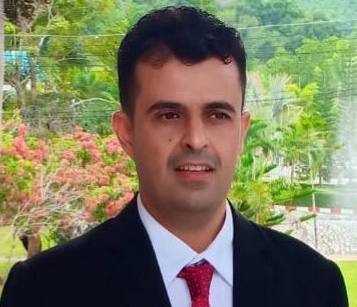
د. إبراهيم محمد الزنداني|اليمن
أستاذ القانون الجنائي المساعد المتخصص في الأمن السيبراني والذكاء الاصطناعي والجرائم الإلكترونية. نائب رئيس الدائرة الرقمية بمكتب الادعاء العام اليمني. خبير غير مقيم في كلية الدراسات العليا بجامعة FTU. مملكة تايلند.
بعنوان “شائعة مقتل نابليون والاحتيال الكبير” ظلت الوثيقة التاريخية لبورصة لندن 1814.02.21 من أكثر الوثائق التي أثارت جدلا مستمرا حتى يومنا هذا، فتلك الوثيقة التي جسدت وقائعها كتب ومؤلفات واستلهمت منها أفلام وروايات تحكي عن وصول سفينة فرنسية إلى ميناء مدينة ” دوفر ” Dover البريطانية في الساعات الأولى من صباح يوم الإثنين الحادي والعشرين من شهر فبراير 1814م وعلى متنها رجل يرتدي زيا رسميا ادعى أنه أحد مساعدي الجنرال ” ويليام كاثكارت ” William Schaw Cathcart السفير والمفوض العسكري للحكومة الإنجليزية في روسيا القيصرية وفي جعبته معلومات في غاية الأهمية مفادها أن ” نابليون بونابرت Napoléon Bonaparte قد قتل على يد ” القوزاق ” الروس، ومع انتشار الخبر كالنار في الهشيم ولتعزيز تلك الرواية شوهد ثلاثة رجال يرتدون زي الجيش الملكي الفرنسي” بوربون ” يرقصون ويحتفلون في شوارع لندن وهو ما أدى إلى ارتفاع قيمة الأوراق والسندات المالية الحكومية التي سبق أن بيعت بأسعار متدنية، ونتيجة لذلك سارع التجار والوسطاء إلى شراءها بعد أن تم عرضها من مالكيها للبيع بأضعاف سعرها لكن ومع انتهاء ذلك اليوم دون صدور تأكيد رسمي للأخبار انهارت أسعار السندات الحكومية وتراجعت قيمتها وأيقن الجميع أن المستثمرين العاديين قد وقعوا ضحية لخدعة متقنة تبخرت معها آلاف الجنيهات.
في اليوم التالي اجتمعت لجنة البورصة وشكلت لجنة فرعية للتحقيق في هذه الحادثة لتعلن الأخيرة عن اشتباهها بأن هنالك تلاعبا قد وقع في الأسهم وعلى إثر ذلك تم إدانة عدد من الأشخاص كان أبرزهم اللورد ” توماس كوكرين ” Tomas Cochrane الذي كان يتمتع بشعبية جماهيرية كبيرة آنذاك، وفيما لا تزال إدانته موضوع نقاش مستمر بين من يعتقد بأنه مذنب وأنه كان محتالا متلاعبا بالبورصة وبين من يرى أن قضية الاحتيال كانت مكيده دبرت بليل استغلها أعداءه من النافذين في مجلس العموم والحكومة أدت إلى طرده من البرلمان البريطاني وتجريده من رتبته العسكرية كأميرال وفصله من البحرية الملكية وأنه قاد نضالا طويلا لاستعادة سمعته المتضررة وتبرئة اسمه وأنه اتهم اللورد ” إلينبورو ” Ellenborough القاضي الذي ترأس قضيته بالانحياز والتحريف والظلم والقمع، وأن مناصروه أعادوا انتخابه للبرلمان بعد احتجاج شعبي عام كما أنه وبحلول العام 1832م تم منحه عفوا بما في ذلك إعادة رتبته وأوسمته.
ومن شائعة مقتل نابليون وقصة الاحتيال الكبير ومرورا بآلاف الاحتيالات المالية في البورصات والأسواق العالمية حتى يومنا هذا، هنالك قوم لغتهم الخوارزميات واللوغارتيمات وإلى جانبهم رواد المال والأعمال يرسمون لنا مشهدا مفاده أنه ومع مطلع الألفية الثالثة أدى التطور المستمر في عالم التكنولوجيا إلى تحرر التقنيات والأنظمة المعلوماتية من التكاليف المادية المرتفعة التي كانت تعيق التقدم التكنولوجي في جميع المجالات، وفي عالم المال والأعمال أحدث التقدم والتطور التكنولوجي والمعلوماتي المتسارع ثورة عارمة في المجال الاقتصادي أدت إلى مراجعة النظريات والمسلمات والمفاهيم الاقتصادية التي كانت قد ترسخت واستقرت منذ زمن وخلقت بعدا جديدا لاقتصادات الدول أعادت فيه تشكيل الأسواق العالمية من جديد، حيث أدى تضخم قواعد البيانات وتقادمها مع الأنظمة المعلوماتية المستخدمة بشكل متسارع وظهور الحوسبة السحابية والكمومية إلى ازدهار الصناعة المالية التي نتج عنها سلسلة من التحولات في النظام المالي العالمي .. ولقد أظهر الجيل الجديد من النماذج التي يمثلها الذكاء الاصطناعي التوليدي قدرات خارقة تغيرت معه ملامح التجارة العالمية كما تعرفها البشرية، فعلى سبيل المثال وبعكس طرق التداول التقليدية المعتمدة بشكل كبير على القرار البشري ظهرت منصات تداول تعتمد على نماذج الذكاء الاصطناعي التوليدي، ومن خلال التعلم الآلي والتعلم الخاضع للإشراف والتعلم العميق تقوم الخوارزميات بمعالجة وتحليل كميات هائلة من البيانات المالية المعقدة مثل تحركات الأسعار والمؤشرات الاقتصادية وتحديد الأنماط والتنبؤ بالسوق في الوقت الفعلي بعد قياس حركة السوق وإجراء مسح لأسواق وبورصات متعددة ووصولا إلى رصد تفاعلات وسائل التواصل الاجتماعي بواسطة خوارزميات معالجة اللغة الطبيعية NLP لاكتشاف الفرص الاستثمارية والتجارية الجديدة بسرعة فائقة واتخاذ القرارات نيابة عن المتداولين الذين ينتمي غالبيتهم للشركات والمؤسسات المالية التجارية والاستثمارية الكبرى وشركات التأمين وصناديق الأسهم الخاصة وتمكينهم من تنفيذ ملايين الطلبات وعقد الصفقات التجارية المربحة في أجزاء من الثانية، وهذا ما تؤكده التقارير الاقتصادية للهيئات المالية العالمية الرائدة حيث أفادت بأن ذلك التطور قد أحدث تغييرات عميقة في بنية الأسواق العالمية ومكن المؤسسات المالية من تحديث استراتيجياتها الاستثمارية وتحسين الكفاءة وزيادة الإنتاجية وحمايتها من الهجمات السيبرانية، وكانت شركة ماكينزي McKinsey & Company قد قالت في تقريرها الصادر في يونيو 2023م أن أحدث أبحاثها يقدر أن الذكاء الاصطناعي التوليدي يمكن أن يضيف للاقتصاد العالمي ما يعادل 2.6 تريليون دولار إلى 4.4 تريليون دولار سنويا.
لكن وبرغم الصورة المتفائلة التي يرسمها لنا صناع عالم المال والأعمال ورواد التكنولوجيا للمستقبل المزدهر الذي ستكون عليه البشرية هنالك مشهد آخر يحكي عن أن الاقتصاد العالمي على اختلاف أشكاله وألوانه تعتريه حالة من عدم اليقين وأن هنالك ثروات هائلة غير مشروعة تصنع في الظل جزء منها يذهب لصناع السياسات التشريعية من أصحاب النفوذ في الدول والحكومات وهذا ما وثقته كثير من المراكز والمؤسسات البحثية ذات التصنيف الأكاديمي العالي وإلى جانبهم أشهر وكالات الأنباء العالمية الموثوقة، فعلى سبيل المثال حينما قرر السياسيون الأمريكيون جعل التداول من الداخل جريمة لعامة الناس والمستثمرين من القطاع الخاص فقد قرروا أيضا حتى وقت قريب أن التداول من الداخل يجب أن يكون قانونيا لأعضاء الكونجرس وهذا يعني أن نخبة السياسيين يمكنهم كسب ملايين الدولارات بناء على المعلومات الداخلية التي تعلموها من خلال سن القوانين أو استخدام سيطرتهم على سن القوانين واللوائح التنظيمية لمصالحهم الشخصية، فيما يذهب جزء آخر من تلك الثروة للعصابات الإجرامية الاقتصادية الدولية التي تستخدم تقنيات الذكاء الاصطناعي للتزييف العميق ولتنفيذ أنشطة احتيالية للإضرار بالتجارة الإلكترونية العالمية عن طريق تحديد نقاط الضعف في النظام المالي وللتلاعب بالبيانات واستهداف البنوك والمؤسسات المالية بالهجمات السيبرانية وغسيل الأموال وتمويل الأنشطة غير المشروعة عبر الإنترنت والتداول الوهمي باستخدام التقنيات الناشئة مثل منصات الدفع الجديدة والعملات المشفرة وإجراء معاملات معقدة ومتعددة الطبقات يصعب اكتشافها، أما نصيب الأسد من تلك الثروات الغير مشروعة فتؤول للمؤسسات الكبرى التي تمتلك التكنولوجيا المتقدمة مستخدمة في ذلك نماذج الذكاء الاصطناعي التوليدي والبيانات الهائلة Big Data لفرض سلطتها وتعزيز سيطرتها على السوق بل وفي تحديد قواعد اللعب وهو ما يؤدي إلى نتائج غير مرغوب فيها مثل انحياز السوق أو خنق الابتكار لقطع الطريق أمام المنافسة العادلة وكذا استغلال الفروقات الزمنية الضئيلة بين الأسواق واستخدام منصات التداول الكمي والتداول عالي التردد للتلاعب بأسواق الأوراق المالية والعقود الآجلة والإخلال بنزاهة وشفافية وعدالة السوق وانتهاك مصالح المتداولين وهذا ما تتهم به غالبا صناديق التحوط التي أسست لأول مرة في منتصف القرن العشرين والبنوك والشركات الاستثمارية الكبرى، كما أن هنالك من يستخدم تلك التقنيات لسحق السوق والتلاعب به أو تعطيله من خلال السلوك المضلل في عمليات العرض والطلب وتحريك الأسعار بشكل مصطنع لإجبار المستثمرين على اتخاذ قرارات معينة ناهيك عن التداول من الداخل والإفصاح غير القانوني عن المعلومات المهمة وتداول المعلومات غير المعلن عنها بهدف إحداث تقلبات عنيفة في الأسواق المالية، لتأتي مؤخرا الروبوتات والخوارزميات بتحيزاتها وقراراتها الخاطئة التي تتم بطريقة الصندوق الأسود فتزيد الطين بله لتكون النتيجة انهيارات في الأسواق المالية تبخرت فيها عشرات المليارات من القيمة السوقية.
يبقى المشهد الأكثر قتامة وسوداوية ما يرويه رجال العدالة الجنائية وإنفاذ القانون حيث يقول المدعي العام في النيابة الشعبية العليا الصينية السابق والمحامي ذائع الصيت في مجال الجرائم الاقتصادية ” تشيان لي يانغ ” 钱列阳 ” أن القضايا الجنائية المتعلقة بقطاع الاقتصاد بما في ذلك بورصات الأوراق المالية والعقود الآجلة ومنصات التداول والبنوك والصناديق والتأمين والاستثمارات لا تشكل تحديا للمحامين فحسب بل أيضا للنيابة العامة والقضاة والشرطة كونها تحمل حواجز مهنية متأصلة وعلاوة على ذلك فإن ترجمة العلاقات المالية إلى قانون جنائي أصعب من ترجمة الإنجليزية إلى الصينية “، لكن وبرغم الواقع الذي يمكن أن نسميه بأمية رجال العدالة الجنائية وإنفاذ القانون تجاه تلك الجرائم هنالك من يقلل من شأن هذا الطرح ويشير إلى أن أنظمة الذكاء الاصطناعي وخوارزميات التعلم الآلي والتعلم العميق والمعزز أحدثت تغييرات كبيرة في مجال الطب الشرعي الرقمي لتحقيق تحليل أسرع وأكثر دقة للبيانات ومعالجة كميات كبيرة من البيانات في وقت قياسي وتحديد الأنماط المشبوهة وتحليل الأدلة الرقمية واكتشاف الحالات الشاذة والتعرف على الهويات بطرق كانت تعتبر مستحيلة في السابق، وأن تقنيات وأنظمة الذكاء الاصطناعي تلعب دورا حاسما ومهما في تسريع وتعزيز وتحسين كفاءة أعمال التحقيق في الجرائم المالية الإلكترونية وأنها مكنت السلطات الرقابية وإنفاذ القانون من استخراج المعلومات ذات الصلة بتلك الجرائم وفك التشفير وإعادة بناء الأحداث ومحاكاتها باستخدام الأدلة الرقمية لفهمها وتحليلها للوصول إلى إثبات تلك الجرائم أو دحضها.
في المقابل هنالك من يقول وبحق بأن ثمة من يستخدم مصطلحا سحريا له بريقه ووجاهته لتحييد أي نقاش يمكن أن يضعه تحت طائلة المسائلة والمحاسبة.. هذا المصطلح هو ” الخوارزميات التي قال عنها ” بانوس لوريداس ” Panos louridas بأن ثمة مغزى من وصف الخوارزميات بأنها أقرب إلى إله، ففي أغلب الأحيان تكون في منأى عن المساءلة مثل الآلهة فالأشياء التي تحدث ليس بسبب قدرة البشر ولكن لأن من قرر حدوثها خوارزمية والخوارزمية فوق مستوى المساءلة.
ختاما ومن بين كل المشاهد يطغى في حقبتنا هذه الحدث الأهم الذي سيظل لفترة طويلة محل تجاذبات وتكهنات حول حقيقة ما جرى ويجري على قدم وساق، فمنذ عودة ” دونالد ترامب ” Donald Tramp إلى البيت الأبيض محاطا بجوقة من الأثرياء ورجال الأعمال أدت قراراته وتصريحاته التي أغضبت الدول الحليفة والمنافسة للولايات المتحدة الأمريكية على حد سواء إلى تلاشي تريليونات الدولارات من الأسواق الأمريكية والعالمية ولا أحد يعرف بالضبط ما الذي يحدث، فبينما يقول مؤيدوه أن التاجر البارع ورجل الأعمال الذكي سيعيد أمريكا عظيمة من جديد وأن ذلك يتطلب بناء مؤسسات جديدة وهدم مؤسسات قائمة وما يحدث في الأسواق هو أمر طبيعي، يهمس خصومه أن ما يحدث قد دبر بليل وأن الضجيج والأزمات السياسية العاصفة سهلت من تبخر واختفاء تلك الأموال الضخمة لمصلحة أطراف معينة كما اختفى ” تشارلز دي بيرنجر ” Charles de Berenger الذي أشاع خبر مقتل نابليون ومعه من خطط ودبر وبحوزتهم ثروة قدرت قيمتها وفقا لقيمة الجنية الإسترليني في وقتنا الحاضر بملايين الجنيهات، وفيما يثبت الواقع العملي أن ميزان العدالة لا زال مختلا ويميل دائما لكفة المتفوق في المجال التقني والتكنولوجي فإن من تناله يد العدالة في هذا المجال بالذات هم الأكثر هشاشة ومن تعتريه حالات من عدم اليقين…