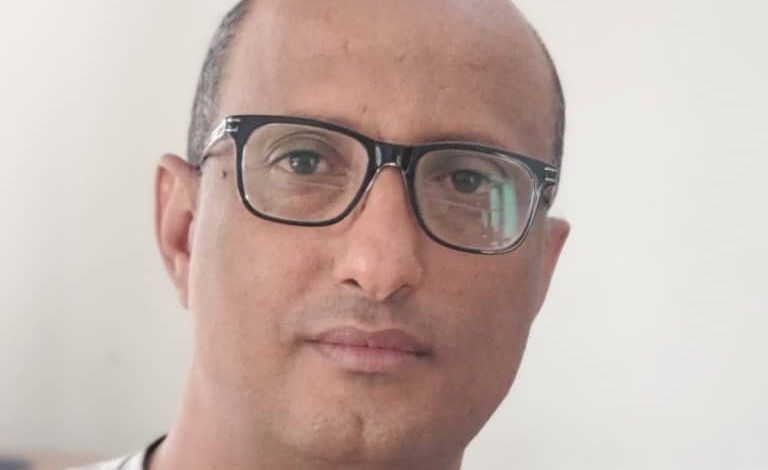
محمد المخلافي| اليمن
“How are you, Mohammed? How is the situation in Sana’a?” This was the question from my friend and college companion, Lutfi Omar Al-Beidh, who lives in one of the neighboring countries. We exchanged voice messages on WhatsApp, and I began to describe our condition and struggles in a country where tranquility has become a rare commodity. Here, a person’s primary concern is simply to secure the most basic necessities for themselves and their family.
Lutfi informed me of job opportunities in many countries, particularly in the Gulf states. He suggested that I apply for a chance that might improve my situation. The idea began to take shape in my mind, but I faced several obstacles: my passport was expired, and I had not yet authenticated my university degrees with the Ministry of Higher Education and Foreign Affairs. I needed to travel to Aden, but this journey would cost me dearly.
I sighed deeply and thought to myself, “How long will this suffering continue?” Ultimately, I decided to travel to Aden. I left my house at six in the morning, heading towards Bab Al-Yemen. As soon as I got off the bus, I was approached by the bus drivers asking about my destination. I told them I was going to Aden, and they took my bag and ushered me into one of the buses, which had about ten passengers. They asked for a fare of 100 Saudi riyals, but I was taken aback to discover that the passengers were all brokers; they all got off the bus, leaving me alone.
I asked the bus driver about the passengers, and he coldly replied, “They will come soon.” I waited for nearly half an hour, but no one arrived. At that point, I asked him to return my money, but he refused and informed me that there were passengers on Thirty Street.
We headed there, and only two passengers joined us. As we entered the side streets, another traveler joined our group. I felt as though we were engaged in a smuggling operation.
Soon, we arrived at Taiz Street, where the bus driver told us to transfer to another bus that was waiting for us. We boarded the new bus, and a tall man in elegant clothing entered, carrying a strange bag.
He approached me, locked my bag with a small padlock, and handed me the key, doing the same with the other passengers. When I asked him why he did that, he replied, “To secure your belongings.” Suddenly, he asked me for 500 riyals. I refused and returned the lock to him.
We began our long journey to Aden, approximately 363 kilometers from Sana’a, around eight in the morning. Dozens of checkpoints awaited us along the way. Some stopped us, took our identification cards, interrogated us, and searched the bus, while others took whatever they could from the bus driver, allowing us to pass.
This time, the land was barren on both sides of the road due to delayed rains, in stark contrast to its usual summer attire, which dons a green cloak that uplifts the spirit.
At the last checkpoint of the Houthis, after the city of Damt, the bus driver stopped under the scorching sun. A young man in his twenties emerged from his small kiosk, carrying a bag filled with “Qoaiti” currency belonging to the legitimate authority, and approached us. The bus driver asked, “Who wants to exchange their currency?” A few passengers got off and exchanged their money.
We continued our journey toward Mores, a place that had witnessed fierce battles between the conflicting parties. All we saw was an oppressive silence and warning signs indicating the presence of landmines.
At the checkpoint at the entrance to the city of Al-Dhale, which had been closed for over five years, we were stopped and taken off the bus. They took our identification cards, interrogated us, and searched the bus for nearly half an hour. Even the women were searched and questioned by female soldiers working alongside the men there.
We continued our journey toward Al-Dhale, where the harsh rays of the sun gradually began to scorch the atmosphere around us. After that, we headed toward Lahj, where we encountered checkpoints that followed the same routine until we reached Al-Rebat point at the entrance to Aden.
At nine o’clock in the evening, we arrived in Aden. The heat was unbearable, and sweat poured down my body. As soon as I got off the bus, I headed straight to a juice shop, devouring glass after glass until I felt a semblance of refreshment.
I caught my breath and then contacted my friend, Odai Al-Qadhi, from Murad tribe in Mareb, recognized for their generosity and nobility. Despite being busy at the hospital, he left his patient and came to greet me, then took me in his car to Khawr Maksar district. We had dinner at one of Al Shabat restaurants, and memories swept over me, taking me back twenty years to when I lived in this neighborhood.
However, the place had changed, as had the faces. Ali Al-Awsabi’s buffet, where I used to meet my friends for dinner and lively conversations, was no longer there. Yet, the images of my friends and the
comfort of that place remained etched in my mind.
After dinner, Odai took me to his residence in Al Mamlah neighborhood, close to the coast of Abyan. The fatigue from my travels overwhelmed me, and I fell asleep as soon as my head hit the pillow, only to awaken with the dawn. In the morning, I asked for my friend Odai’s permission and set out for Crater City to complete my passport paperwork.
Captain Ali Shabeer, the table tennis coach at the Al-Telal Club, was waiting for me in front of his house in Al Sheikh Abdullah neighborhood, near the famous Sakran café. This place holds a cherished memory for me; it was my regular meeting spot with Mohammed Shabeer, Ali’s older brother, who was my university study companion twenty years ago. Those days were filled with joy and ambition. Whenever I set foot in this place, time rewinds to those moments, and I feel the warmth of memories enveloping my spirit.
Ali took me in his brother’s car to one of the most popular restaurants, Al Jomhor, located in Al-Midan neighborhood. There, we enjoyed a breakfast of local liver and brain served with warm Aden bread and tea with milk. Afterward, we headed to the passport office adjacent to Al-Hubaishi Stadium in Al-Qat’ee neighborhood, where we completed the formalities in less than half an hour. We then crossed the maritime line to Al-Mansoura district, where I certified my university documents at the Ministry of Foreign Affairs without any hassle.
All these procedures took no more than two hours. I thanked Ali and called my friend Odai, who quickly arrived and took me in his car. We wandered around Khawr Maksar until noon, then returned home to have lunch together. Afterward, we began our “Qat session” with a group of young men from Murad until the call for Al-Maghrib prayer. During that time, my friend Mohammed Faisal, the son of the well-known Faisal Saeed Farea, a pioneer in economics and culture, called me. He greeted me warmly and invited me to stay in his apartment overlooking the coast of Abyan.
I took my leave from Odai, thanking him for his hospitality, and he drove me to Mohammed’s apartment. In the evening, I was heading to Crater to meet my friend Mohammed Shabeer, where we would revive our memories on the lively Al-Tawilah Street and enjoy dinner at one of the popular restaurants in Al-Midan neighborhood. Afterward, we would go to November 30 Buffet next to Hussain Al-Ahdal Mosque to sip on “Thareeb” and “King Shake”—the favorite drink of Zainab Shabeer, Mohammed’s daughter. We would conclude our outing at “Dawwar Al-Fal” near Al Qat market.
There, under the dim lights, the sons of Aden gather, regardless of age. They play Dominos, exchanging conversations and hearty laughter, despite the burdens of life that loom over everyone: suffocating inflation, long hours of electricity outages, and oppressive heat. Yet, their cheerful spirit remains unbroken. They insist on joy, continuing their laughter and banter late into the night, as if to tell life: “You will not steal our happiness.”
The currency exchange shops were bustling with activity; young people rushed to the counters, elders sat in waiting corners, and women of all ages deposited Saudi riyals, the currency that has become predominant in most places in Aden.
By chance, I entered one of the buffets and suddenly spotted the youth national team coach, Captain Qais Mohammed Saleh, sitting at a table having dinner with his children. He smiled at me and invited me to join him. I shook his hand and sat beside him, reminding him of that historic moment when the youth team was crowned champions of the West Asian Championship.
That occasion was a collective joy, uniting the hearts of all Yemenis and bringing smiles to the faces of both young and old. Captain Qais proudly recounted the details of that tournament, sharing how the team overcame every challenge with determination and a strong will.
Two days before my departure, I went to the passport office to follow up on the issuance of my passport. Colonel Adel Saeed Abdo, the deputy director, informed me that it would be ready in two days and advised me to travel, assuring me that he would later send it to Sana’a.
I returned to Mohammed Faisal’s apartment, gathered my belongings, and headed to the bus station in Al Qaherah district. It was late, around eleven in the morning, and there were no buses available. The checkpoint at the entrance to Al-Dhale’e closes its gates at five-thirty in the afternoon, which led many bus drivers to refuse to travel at this time.
I asked one of the station brokers, who informed me that a bus had just left. He contacted the driver and stopped him at Al-Kara’a Roundabout, then took me there in his car. I boarded the bus and sat in the last seat, where there were two other passengers. One of them was bothersome, sitting next to me and stretching his leg toward me. I tried to speak to him politely, but he did not respond. My annoyance grew when he pulled out a pack of cigarettes and began to smoke. I attempted to talk to him again, but to no avail.
In the market of Al-Fiyoush, near the city of Lahj, I stopped the bus and got off, returning to Aden. I stayed there until I received my passport. Then, I contacted my friend Odai Al-Qadhi, who arranged for me to travel with one of his friends heading to Sana’a.
I boarded with them for a quiet journey, which was only slightly disturbed by the annoying routine of a few checkpoints. I arrived in Sana’a at eight-thirty in the evening. It was a tiring and exhausting experience, but I enjoyed visiting the city where I had spent some of the best days of my life and reconnecting with my old friends.
…………….
الترجمة إلى الإنجليزية
كيف حالك يا محمد؟ كيف الأخبار والوضع في صنعاء؟ كان هذا سؤال صديقي ورفيق دراستي الجامعية، لطفي عمر البيض، الذي يقيم في إحدى دول الجوار. تبادلنا الحديث عبر رسائل صوتية على واتساب، وبدأت أصف له حالنا ومعاناتنا في بلدٍ لم يعد فيه للهدوء مكان، حيث بات همّ الإنسان الأول هو توفير أبسط متطلبات الحياة له ولعائلته.
قال لي لطفي إن هناك فرص عمل في العديد من البلدان، خاصة في دول الخليج، واقترح عليّ أن أقدم للحصول على فرصة قد تحسن من وضعي. بدأت الفكرة تتشكل في ذهني، لكنني واجهت عدة عقبات: جواز سفري منتهي وشهاداتي الجامعية لم أقم بتوثيقها بعد في التعليم العالي والخارجية. كان لا بد لي من السفر إلى عدن، لكن هذه الرحلة ستكلفني الكثير.
تنهدت بعمق وقلت في نفسي: إلى متى ستستمر هذه المعاناة؟ قررت في النهاية أن أسافر إلى عدن. خرجت من بيتي في السادسة صباحًا متجهًا إلى باب اليمن. بمجرد أن نزلت من الباص، استقبلني سائقو الباصات يسألونني عن وجهتي. أخبرتهم أنني ذاهب إلى عدن، أخذوا مني حقيبتي وأدخلوني إلى أحد الباصات الذي كان فيه حوالي عشرة ركاب. طلبوا مني أجرة الرحلة 100 ريال سعودي، لكنني تفاجأت بأن الركاب كانوا سماسرة الفرزة، حيث نزلوا جميعًا من الباص وبقيت وحدي.
سألت سائق الباص عن الركاب، فأجاب ببرود: “سيأتون الآن.” انتظرتُ قرابة نصف ساعة، لكن لم يأتِ أحد. عندها، طلبت منه أن يعيد لي نقودي، لكنه رفض وأخبرني أن هناك ركاب في شارع الثلاثين.
اتجهنا إلى هناك، وصعد معنا فقط راكبان، ثم دخلنا شوارع فرعية حيث انضم إلينا مسافر آخر. شعرت وكأننا نقوم بعملية تهريب.
وصلنا بعد ذلك إلى شارع تعز، حيث طلب سائق الباص منا الانتقال إلى باص آخر كان ينتظرنا. صعدنا إلى الباص، ودخل شخص طويل يرتدي ملابس أنيقة ويحمل كيسًا غريبًا.
اقترب مني ثم أغلق حقيبتي بقفل صغير وناولني المفتاح، وعمل نفس الشيء مع بقية المسافرين. سألته لماذا فعلت ذلك، فقال: “لتأمين أغراضكم.” فجأة، طلب مني 500 ريال. رفضتُ وأعدت له القفل.
بدأنا رحلتنا الطويلة إلى عدن، التي تبعد حوالي 363 كيلومترًا عن صنعاء، قرابة الثامنة صباحًا. كانت عشرات نقاط التفتيش في انتظارنا على طول الطريق. كان بعضهم يوقفوننا، ويأخذون بطاقاتنا الشخصية، ويستجوبوننا، ويفتشون الحافلة، بينما الآخرون كانوا يأخذون ما تيسر من سائق الحافلة، ويسمحون لنا بالمرور.
كانت الأرض قاحلة على جانبي الطريق هذه المرة، بسبب تأخر المطر، على عكس عادتها في فصل الصيف، حين تكتسي بحلةٍ خضراء تبعث البهجة في النفس.
عند آخر نقاط جماعة الحوثي بعد مدينة دمت، توقف سائق الحافلة جانبًا تحت حرارة الشمس. خرج شاب عشريني من كشكه الصغير حاملاً كيسًا مليئًا بالعملة النقدية “قعيطي” التابعة للشرعية، واقترب منا. قال سائق الحافلة: “من يريد تغيير عملته؟” فنزل بعض الركاب وغيروا عملتهم.
واصلنا طريقنا باتجاه مريس، المكان الذي شهد معارك عنيفة بين طرفي النزاع. لم نرى فيه سوى صمتٍ مطبق ولافتات تحذيرية تشير إلى وجود ألغام.
في نقطة التفتيش عند مدخل مدينة الضالع، التي أُغلقت لأكثر من خمسة أعوام، أوقفونا وأنزلونا من الحافلة. أخذوا منا بطاقاتنا الشخصية، واستجوبونا، وفتشوا الحافلة قرابة نصف ساعة. حتى النساء تم تفتيشهن واستجوابهن من قبل نساء يعملن بجانب الجنود هناك.
واصلنا رحلتنا نحو مدينة الضالع، حيث بدأت أشعة الشمس القاسية تتسلل إلينا تدريجيًا، تلهب الأجواء حولنا. بعد ذلك، انطلقنا نحو مدينة لحج، وواجهتنا نقاط التفتيش التي اتبعت نفس الروتين حتى بلغنا نقطة الرباط عند مدخل مدينة عدن.
عند الساعة التاسعة مساءً، وصلنا إلى عدن. كانت الحرارة شديدة جدًا، والعرق يتصبب من كل جسمي. بمجرد أن نزلت من الحافلة، توجهت مباشرة إلى محل العصائر، و بدأت التهم العصير كوبًا تلو الآخر حتى شعرت ببعض الانتعاش.
استعدت أنفاسي، ثم تواصلت مع صديقي عدي القاضي، أحد أبناء مراد المعروفين بكرمهم وشهامتهم. رغم أنه كان مشغولًا في المستشفى، إلا أنه ترك مريضه وجاء لاستقبالي، ثم اصطحبني في سيارته إلى مديرية خور مكسر. تناولنا العشاء في أحد مطاعم الشابات، وهناك عصف بي الخيال إلى عشرين عامًا مضت، حين كنت أسكن في هذا الحي.
لكن ملامح المكان تغيرت، وكذلك الوجوه. بوفية علي الأوصابي، حيث كنت ألتقي مع أصدقائي لتناول العشاء وتبادل الأحاديث، لم تعد موجودة. لكن صور أصدقائي وراحة المكان ما زالت عالقة في مخيلتي.
بعد انتهاء العشاء، اتجهتُ مع صديقي إلى مكان سكنه في حي “المملاح” القريب من ساحل أبين. أنهكني تعب السفر، فغلبني النوم بمجرد أن وضعتُ رأسي، واستيقظتُ مع بزوغ الفجر. استأذنتُ صديقي عدي صباحًا وخرجتُ متجهًا إلى مدينة كريتر لإنجاز أوراق جواز سفري.
كان الكابتن علي شبير – مدرب كرة الطاولة بنادي التلال – بانتظاري أمام بيته بحي الشيخ عبدالله، قرب مقهى سكران الشهير. يحمل هذا المكان ذكرى عزيزة؛ فقد كان نقطة لقائي الدائم بمحمد شبير الاخ الاكبر لعلي لاعب نادي التلال في لعبة اللعاب القوى “مسافات قصيرة” رفيق دراستي الجامعية قبل أكثر من عشرين عامًا. كانت أيامًا مفعمة بالمرح والطموح. كلما وطئت قدمي هذا المكان، يعود بي الزمن إلى تلك الأيام، وأشعر بدفء الذكريات يلفّ روحي.
اصطحبني علي بسيارة أخيه إلى مطعم “الجمهور” الشعبي في حي الميدان. هناك، تناولنا وجبة الفطور “كبدة بلدي ومخّ مع خبز طاوة عدنيّ دافئ، و حليب ملبن. بعدها اتجهنا إلى مكتب الجوازات المجاور لملعب الحبيشي في حي القطيع، أكملنا الاجراءت في أقل من نصف ساعة. ثم عبرنا الخط البحري إلى مديرية المنصورة، حيث وثّقتُ شهادتي الجامعية في مكتب وزارة الخارجية دون عناء.
لم تستغرق كل تلك الإجراءات سوى ساعتين. شكرتُ علي واتصلت بصديقي عدي، الذي أسرع بالحضور وأخذني بسيارته. تجوّلنا في أرجاء خور مكسر حتى آذن الظهر، ثم عدنا إلى البيت لتناول الغداء معًا. بعدها، بدأنا “مقيل القات، مع مجموعة من أبناء مراد حتى أذان المغرب. في تلك الأثناء، اتصل بي صديقي محمد فيصل – نجل الأستاذ فيصل سعيد فارع، رائد الاقتصاد والثقافة – رحّب بي بحفاوة، ودعاني للإقامة في شقته المطلة على ساحل أبين.
استأذنتُ عدي شاكرًا ضيافته، واخذني بسيارته إلى شقة محمد. عند المساء، كنت أخرج إلى كريتر للقاء صديقي محمد شبير، نستعيد ذكرياتنا في شارع الطويلة النابض بالحياة، و نتناول العشاء في احد المطاعم الشعبية في حي الميدان، ثم نذهب إلى بوفية ثلاثين نوفمبر بجانب جامع حسين الاهدل لنرتشف شراب “الثريب” و”كنج شيك” – الشراب المفضل لدى زينب شبير ابنت صديقي محمد. بعدها، نختتم جولتنا عند “دوار الفل” قرب سوق القات.
هناك، تحت الاضواء الخافته ، يجتمع أبناء عدن من كل الأعمار. يلعبون الضمنة، ويتبادلون أطراف الحديث والضحكات العريضة، رغم هموم الحياة التي لا تغيب عن أحد: غلاءٌ خانق، وانقطاع الكهرباء ساعاتٍ طويلة، وحرٌّ لافح. لكن روحهم المرحة لا تنكسر. يصرون على البهجة، ويواصلون ضحكاتهم ومزاحهم حتى ساعات الليل المتأخرة، كأنهم يقولون للحياة: لن تسرق منا فرحتنا.
كانت محلات الصرافة تعج بالحركة؛ شباب يتدافعون نحو شبابيك الصرافة، وكبار في السن يجلسون في زوايا الانتظار، ونساء من مختلف الأعمار يودعن بالريال السعودي، تلك العملة التي أصبحت هي السائدة في أغلب الأماكن في عدن.
بالصدفة، دخلت أحد البوفيات، وفجأة لمحت مدرب منتخب الناشئين، الكابتن قيس محمد صالح، جالسًا على الطاولة يتناول العشاء مع أولاده. ابتسم لي ودعاني لتناول العشاء معه. صافحته وجلست بجانبه، وذكّرته بتلك اللحظة التاريخية عندما توج منتخب الناشئين بلقب بطولة غرب آسيا.
كانت تلك المناسبة بمثابة فرحة جماعية، حيث وحدت قلوب كل اليمنيين ورسمت الابتسامة على وجوه الكبار والصغار. كان الكابتن قيس يروي بفخر تفاصيل تلك البطولة، وكيف تمكن الفريق من تجاوز كل التحديات بعزيمة وإرادة قوية.
قبل سفري بيومين، توجهت إلى مكتب الجوازات لمتابعة إصدار جواز سفري. أخبرني العقيد عادل سعيد عبده، نائب المدير، أنه سيصدر بعد يومين، ونصحني بالسفر، مؤكدًا أنه سيرسله لاحقًا إلى صنعاء.
عدت إلى شقة محمد فيصل، جمعت أغراضي وتوجهت إلى فرزة صنعاء في مديرية القاهرة. كان الوقت متأخرًا، حيث كانت الساعة الحادية عشر صباحًا، ولم تكن هناك باصات متاحة، إذ إن نقطة التفتيش في مدخل مدينة الضالع تغلق أبوابها في الساعة الخامسة والنصف عصرًا، مما جعل العديد من سائقي الباصات يرفضون السفر في هذا التوقيت.
سألت أحد سماسرة الفرزة، فأخبرني أن أحد الباصات تحرك قبل قليل. تواصل معه وأوقفه عند جولة الكراع، وأوصلني بسيارته إلى هناك. صعدت إلى الباص وجلست في المقعد الأخير حيث كان هناك راكبان. أحدهما كان مزعجًا، يجلس بجانبي ويمد برجله باتجاهي. حاولت التحدث معه بأدب، لكنه لم يستجب، وما زاد من انزعاجي هو أنه أخرج علبة سجائر وبدأ يدخن. حاولت التحدث معه مجددًا لكن من دون جدوى.
في سوق الفيوش القريب من مدينة لحج، أوقفت الباص ونزلت، وعدت إلى عدن. بقيت هناك حتى استلمت جواز سفري. ثم تواصلت مع صديقي عدي القاضي، الذي رتب لي السفر مع أحد أصدقائه المتجهين إلى صنعاء.
ركبت معهم في رحلة هادئة، لم تعكر صفوها سوى بعض نقاط التفتيش بروتينها المزعج. وصلت صنعاء في الساعة الثامنة والنصف مساءً. كانت تجربة متعبة ومرهقة، لكنني استمتعت بزيارة المدينة التي قضيت فيها أجمل أيام عمري و بلقاء الأصدقاء.